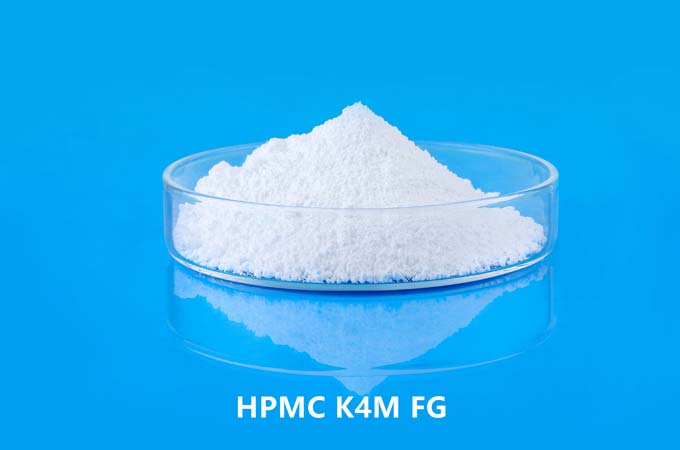
Hydroxypropyl Methyl Cellulose (HPMC) is a cellulose ether widely used in the construction industry, particularly in dry-mix tile adhesives. Its primary roles include:
Although Hydroxypropyl Methyl Cellulose (HPMC) offers numerous benefits, improper usage can reduce adhesive performance, compromise bond strength, and lead to surface defects. Contractors, manufacturers, and DIY users must understand the common mistakes in HPMC applications and dosage to achieve optimal results.
This article explores the mistakes, causes, consequences, and best practices, providing a detailed guide for professionals to maximize performance and avoid costly errors.
Choosing the Wrong Viscosity Grade
1.1 Low-Viscosity HPMC
Mistake: Using low-viscosity HPMC for heavy or large-format tiles.
Impact: Insufficient water retention, poor anti-sag properties, and weaker adhesion.
1.2 High-Viscosity HPMC
Mistake: Applying high-viscosity HPMC in thin wall tile adhesives.
Impact: Over-thick consistency, difficult troweling, uneven spread, and higher material cost.
1.3 Best Practice
Assess tile size, substrate type, and environmental conditions.
Use low-viscosity HPMC for small, light tiles and high-viscosity HPMC for heavy tiles or exterior applications.
Incorrect Dosage and Its Consequences
2.1 Under-Dosage
Causes reduced water retention
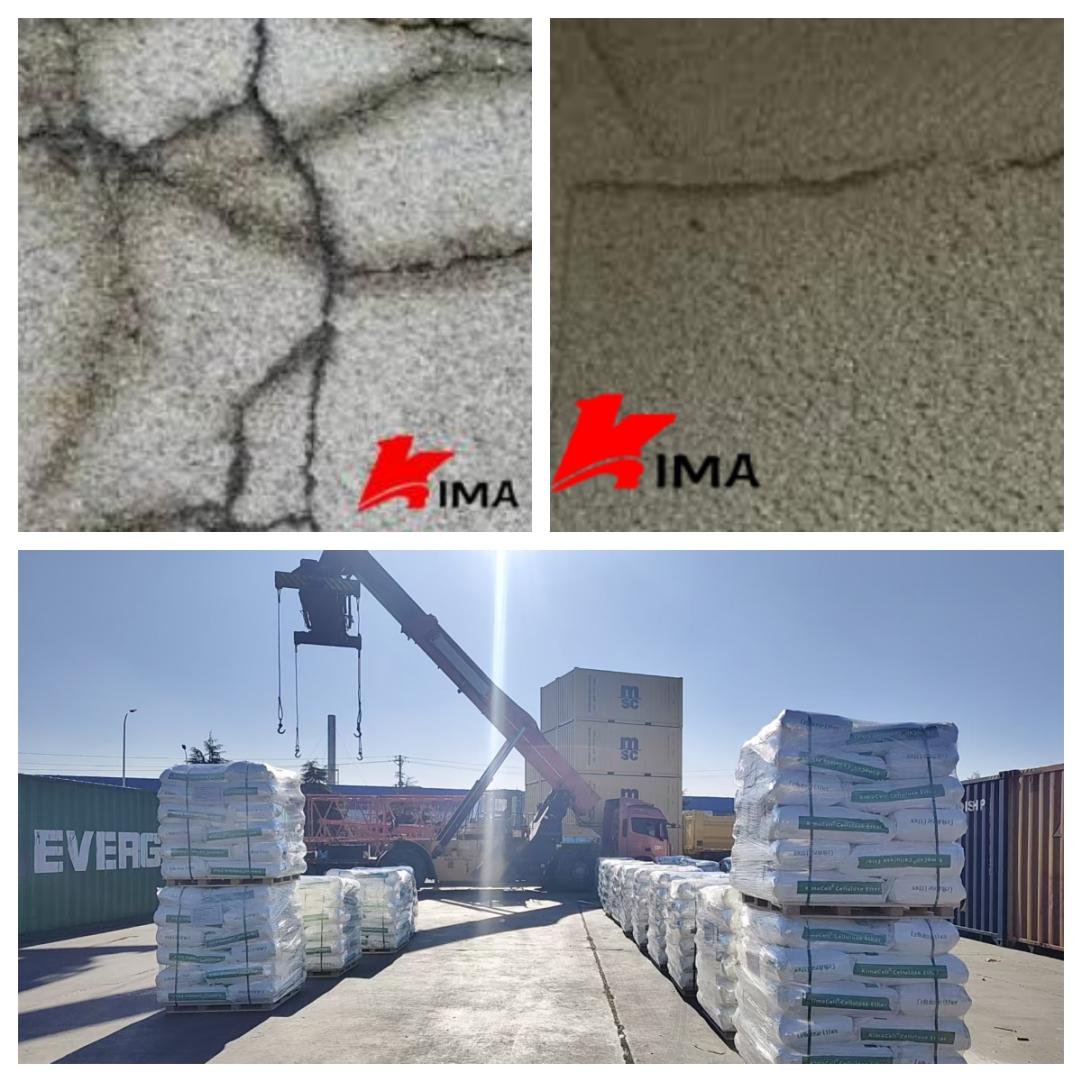
Leads to rapid drying, cracking, and poor adhesion
2.2 Over-Dosage
Excessive thickening, making the adhesive difficult to spread
Potential for lumpy texture and segregation of fillers
2.3 Best Practice
Improper Mixing and Dispersion
3.1 Lump Formation
Mistake: Adding HPMC directly into dry cement without proper dispersion.
Impact: Formation of lumps, uneven distribution, and inconsistent flow.
3.2 Mixing Sequence Errors
Mistake: Adding HPMC after water or at the wrong stage.
Impact: Reduced performance, poor water retention, and uneven adhesive consistency.
3.3 Best Practice
Ignoring Environmental Factors
4.1 Temperature and Humidity
4.2 Wind and Sunlight
4.3 Best Practice
Substrate-Related Mistakes
5.1 Porous Surfaces
5.2 Smooth or Non-Porous Surfaces
5.3 Best Practice
Misunderstanding HPMC Compatibility
6.1 With Other Additives
Some retarders, plasticizers, or accelerators can interact with HPMC
Mistake: Assuming HPMC is compatible with all chemicals
6.2 With Fillers and Pigments
6.3 Best Practice
HPMC Application Mistakes
7.1 Over-Troweling
7.2 Insufficient Open Time
7.3 Best Practice
Consequences of HPMC Misuse
1. Surface Cracking – insufficient water retention
2. Sagging of Vertical Tiles – wrong viscosity or over-thick application
3. Poor Adhesion – under-dosage or substrate incompatibility
4. Inconsistent Finish – improper mixing or filler segregation
9. Quality Control Tips
Use consistent HPMC grade from a reputable supplier
Maintain proper storage (dry, cool, moisture-free environment)
Check viscosity and batch consistency before production
Case Studies and Lessons Learned
10.1 Large-Format Tiles in Hot Climate
Mistake: Low-viscosity HPMC, under-dosed
Result: Adhesive dried too fast, tiles slipped
Solution: Switched to medium-viscosity HPMC with optimized dosage, improved adhesion
10.2 Wall Tile Adhesive in Humid Conditions
Mistake: High-viscosity HPMC over-dosed
Result: Difficult troweling, uneven layer
Solution: Balanced viscosity grade and adjusted dosage
Innovations to Minimize Errors
Surface-treated HPMC for faster dispersion
Pre-dispersed HPMC solutions to prevent lumps
Smart rheology modifiers combining HPMC with redispersible powders
Best Practices Checklist
1. Select the right viscosity grade
2. Optimize dosage according to tile size and substrate
3. Pre-disperse HPMC in water
4. Consider environmental factors
5. Test compatibility with all additives
6. Follow correct application and troweling techniques
7. Maintain consistent quality and storage conditions
Future Trends
High-performance, multi-functional HPMC for large-format tiles
Eco-friendly and sustainable HPMC sources
Integration with digital formulation tools for precise dosage and performance prediction
HPMC for tile adhesive is indispensable in tile adhesive formulations, but misuse can lead to adhesion failure, surface defects, and reduced durability. By understanding common mistakes, manufacturers and applicators can optimize:
This ensures high-quality, reliable tile adhesives for both interior and exterior applications, paving the way for professional-grade finishes and long-lasting results.


 English
 日本語
日本語 français
 Deutsch
 Español
 العربية
 Türkçe
 italiano
 русский
 português
 Nederland