What Is Cellulose Ether?
Cellulose ether is a family of chemical compounds derived from cellulose, a naturally occurring polysaccharide found in the cell walls of plants. These compounds are produced through a process called etherification, in which the hydroxyl groups (-OH) of cellulose are replaced by ether groups (-O-). The introduction of these ether groups imparts unique properties to cellulose, making it suitable for a wide range of applications in various industries.
Cellulose ether is one of the most important classes of water-soluble polymers used in modern industry. Derived from natural cellulose, cellulose ethers are widely utilized in construction materials, pharmaceuticals, food products, paints, coatings, detergents, ceramics, oil drilling, personal care products, and many other industrial applications.
Because cellulose ether combines the advantages of renewable raw materials with excellent functional performance, it has become an essential additive in thousands of formulations worldwide. Today, industries rely on cellulose ether for thickening, water retention, stabilization, binding, suspension, lubrication, film formation, and rheology control.
1.Basic Chemistry of Cellulose Ether
Natural cellulose contains three hydroxyl groups on each glucose unit. These hydroxyl groups are reactive and can be chemically substituted.
During etherification, cellulose reacts with chemical agents to introduce substituent groups such as:
Methyl
Hydroxyethyl
Hydroxypropyl
Carboxymethyl
The resulting products become cellulose ethers.
The degree of substitution (DS) determines the properties of the cellulose ether.
Higher substitution levels generally influence:
Water solubility
Viscosity
Thermal gelation
Salt resistance
Surface activity
2. Main Types of Cellulose Ether
There are many types of cellulose ethers, but several dominate industrial markets.
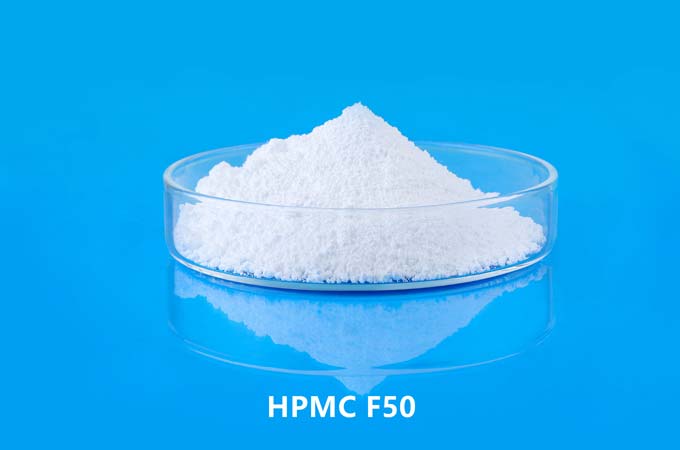
One of the most commonly used types of cellulose ether is Hydroxypropyl Methylcellulose (HPMC). HPMC is obtained by introducing hydroxypropyl and methyl groups onto the cellulose backbone. It is a versatile compound that combines the properties of two other cellulose ethers, Methylcellulose (MC) and Hydroxypropyl Cellulose (HPC). HPMC is valued for its thickening, emulsifying, and film-forming properties, which find applications in pharmaceutical formulations, personal care products, construction materials, and food products.
HPMC is one of the most widely used cellulose ethers in construction and pharmaceuticals.HPMC is especially important in dry-mix mortar formulations.
Properties:
Applications:
Tile adhesives
Cement mortar
Gypsum products
Pharmaceutical tablets
Personal care products
Food additives
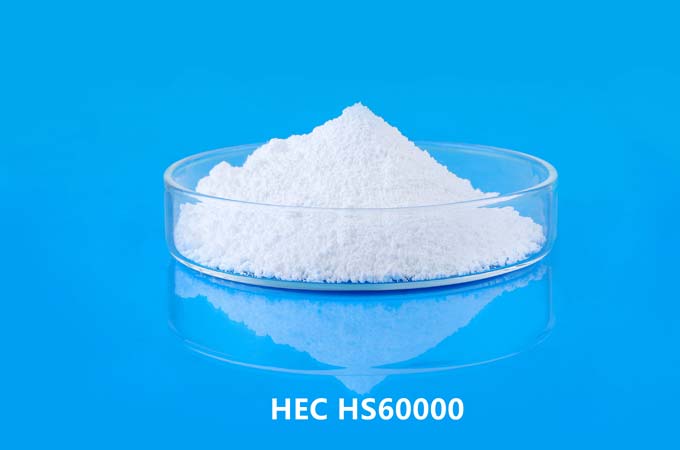
Hydroxyethyl Cellulose (HEC) is an important cellulose ether. It is derived by introducing hydroxyethyl groups (-CH2CH2OH) onto the cellulose backbone. HEC exhibits excellent water solubility, thickening capability, and stability over a wide pH range. It is widely used as a thickener, rheology modifier, and water-retention agent in various industries, including personal care products, paints, adhesives, and coatings.
HEC is a nonionic water-soluble polymer mainly used in paints and personal care products.
Properties:
Excellent thickening
High salt tolerance
Good flow control
Stable viscosity
Applications:
Latex paints
Shampoos
Liquid detergents
Oil drilling fluids
Cosmetics
Hydroxyethyl Methyl Cellulose/Methyl Hydroxyethyl Cellulose (MHEC) is a cellulose ether that combines the properties of Methylcellulose (MC) and HEC. It is obtained by introducing both methyl and hydroxyethyl groups onto the cellulose backbone. MHEC is commonly used as a thickener, binder, and water-retention agent in construction materials such as tile adhesives and cement-based mortars.
HEMC combines methyl and hydroxyethyl substitution.
Applications:
It offers excellent water retention and open time in construction applications.
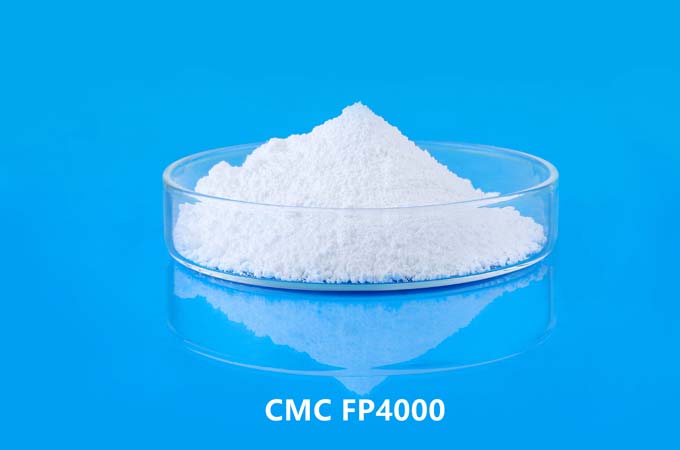
Sodium Carboxymethyl Cellulose (CMC) is another significant cellulose ether. It is produced by introducing carboxymethyl groups (-CH2COOH) onto the cellulose backbone. CMC exhibits excellent water solubility and possesses thickening, stabilizing, and water-binding properties. It finds extensive use as a thickener, stabilizer, and binder in various industries, including food products, pharmaceuticals, detergents, and industrial applications.
CMC is an anionic cellulose ether known for excellent water solubility.
Properties:
High viscosity
Suspension stability
Water binding
Emulsification
Applications:
Food products
Toothpaste
Ice cream
Paper coating
Textile printing
Battery materials
Ethyl Cellulose
Ethyl Cellulose (EC) is a nonionic cellulose ether produced by replacing hydroxyl groups in cellulose with ethyl groups.
Unlike HPMC, HEC, or CMC, EC is:
This unique characteristic makes EC valuable in specialized industrial applications.
Ethyl Cellulose (EC) is a cellulose ether where some of the hydroxyl groups of cellulose are replaced with ethyl groups (-CH2CH3). EC is known for its water-resistant and film-forming properties. It is widely used in coatings, encapsulation of pharmaceuticals, controlled-release drug delivery systems, and other applications requiring moisture protection.
Methyl Cellulose (MC) is a cellulose ether where the hydroxyl groups of cellulose are replaced with methyl groups (-CH3). MC is valued for its thickening, binding, and stabilizing properties. It finds extensive use in the food industry, pharmaceuticals, cosmetics, and construction materials.
MC is produced by methylation of cellulose.
Properties:
Thermal gelation
Thickening
Lubrication
Film formation
Applications:
Construction materials
Food products
Pharmaceuticals
Ceramic extrusion
Ethyl Hydroxyethyl Cellulose (EHEC) is a cellulose ether obtained by introducing both ethyl and hydroxyethyl groups onto the cellulose backbone. EHEC exhibits a combination of properties from Ethyl Cellulose (EC) and Hydroxyethyl Cellulose (HEC). It is utilized as a thickener, binder, and film-forming agent in various applications.
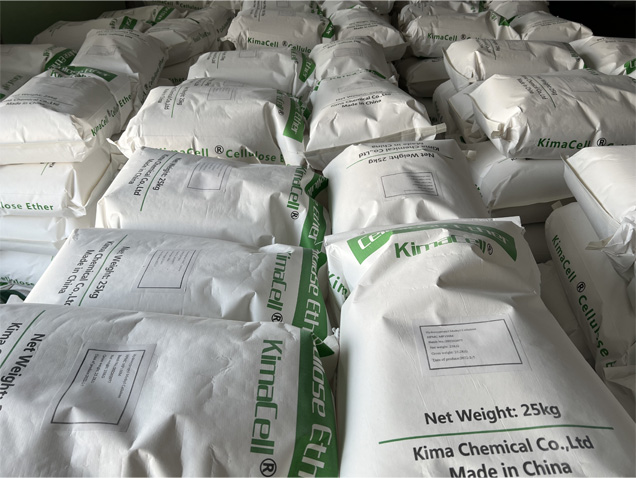
The applications of cellulose ethers are vast and varied. In the food industry, they are used as thickeners, stabilizers, and emulsifiers in products such as sauces, dressings, and dairy items. In pharmaceuticals, cellulose ethers serve as binders, disintegrants, and controlled-release agents in tablets, capsules, and other dosage forms. In personal care products, they are employed as viscosity modifiers, film formers, and texture enhancers in creams, lotions, and shampoos. In construction materials, cellulose ethers contribute to the properties of adhesives, mortars, and coatings by providing viscosity control, water retention, and improved workability.
The advantages of cellulose ethers include their biodegradability, non-toxic nature, and compatibility with other materials. They offer excellent water solubility, thermal stability, and pH resistance, making them suitable for a wide range of formulations. The properties of cellulose ethers can be tailored by adjusting the degree of substitution, molecular weight, and other parameters during their synthesis.
3.Manufacturing Process of Cellulose Ether
The production of cellulose ether involves several chemical steps.
Step 1: Raw Material Preparation
The main raw materials include:
Purity is very important because impurities affect product quality.
Step 2: Alkalization
Cellulose reacts with sodium hydroxide (NaOH) to form alkali cellulose.
This step activates cellulose for etherification.
Step 3: Etherification
Etherifying agents are added, such as:
Methyl chloride
Ethylene oxide
Propylene oxide
Monochloroacetic acid
Different agents produce different cellulose ethers.
Step 4: Purification
The product is washed to remove:
Salts
By-products
Residual chemicals
Step 5: Drying and Milling
The purified cellulose ether is:
Dried
Ground into powder
Sieved
Packaged
Final products are usually white or off-white powders.
4. Important Properties of Cellulose Ether
Cellulose ethers are multifunctional additives because they possess many valuable properties.
4.1 Water Retention
One of the most important functions.
Cellulose ether prevents rapid water loss, especially in cement-based materials.
Benefits:
Better hydration
Improved strength
Reduced cracking
4.2 Thickening Ability
Cellulose ethers increase viscosity in water systems.
This improves:
Stability
Texture
Flow control
4.3 Film Formation
Some cellulose ethers form flexible films after drying.
Applications:
Tablet coatings
Paints
Cosmetics
4.4 Suspension Stability
Cellulose ether keeps particles uniformly dispersed.
Used in:
Paints
Ceramic slurries
Food systems
4.5 Thermal Gelation
Certain cellulose ethers gel when heated.
This property is important in:
4.6 Lubrication
Cellulose ethers improve workability and reduce friction.
Important in:
Mortars
Extrusion processes
5. Cellulose Ether in Construction Industry
The construction industry is the largest consumer of cellulose ether worldwide.
5.1 Tile Adhesives
Cellulose ether improves:
Water retention
Adhesion
Sag resistance
Open time
HPMC is widely used in ceramic tile adhesives.
5.2 Cement Mortars
Benefits include:
Better workability
Reduced water separation
Improved consistency
5.3 Gypsum Products
Cellulose ether enhances:
Water retention
Smooth application
Crack resistance
5.4 Exterior Insulation Systems
Used in EIFS and ETICS systems to improve:
Cohesion
Flexibility
Durability
6. Cellulose Ether in Pharmaceutical Industry
Cellulose ethers are essential pharmaceutical excipients.
Applications:
HPMC is especially important in sustained-release tablets.
Benefits:
Non-toxic
Biocompatible
Stable
Safe for consumption
7. Cellulose Ether in Food Industry
Certain cellulose ethers are approved food additives.
Uses:
Thickening
Stabilization
Emulsification
Fat replacement
Common products:
Ice cream
Sauces
Bakery products
Dairy products
CMC is widely used in food systems.
8. Cellulose Ether in Paints and Coatings
HEC is heavily used in water-based paints.
Functions:
Thickening
Anti-sagging
Pigment suspension
Brushability improvement
Benefits:
Smooth application
Stable viscosity
Better storage stability
9. Cellulose Ether in Personal Care Products
Used in:
Shampoos
Toothpaste
Lotions
Creams
Liquid soaps
Functions:
Thickening
Foam stabilization
Moisture retention
HEC and CMC are common in cosmetics.
10. Cellulose Ether in Oil Drilling
Cellulose ethers are added to drilling fluids.
Benefits:
Fluid loss control
Lubrication
Viscosity control
HEC is frequently used in oilfield applications.
.jpg "KIMACELL_(123).jpg")
In conclusion, cellulose ethers, including HPMC, HEC, MHEC, CMC, EC, MC, and EHEC, are versatile compounds derived from cellulose. They find extensive use in various industries due to their unique properties such as thickening, water retention, film formation, and stabilization. Their applications range from pharmaceuticals and personal care products to food, construction, and coatings. Cellulose ethers contribute to the development of innovative and sustainable products across multiple sectors.


 English
 日本語
日本語 français
 Deutsch
 Español
 العربية
 Türkçe
 italiano
 русский
 português
 Nederland